Why Swimsuits Always Feel Too Short (Long Torso Edition)
Quick Answer: Swimsuits are cut to a standard torso length that’s shorter than a long-torso frame needs, which is why one-pieces ride up and bikini tops feel like they’re pulling. The fix is shopping ‘tall’ or ‘long torso’ swim lines, or sizing up specifically in torso-length pieces while keeping bottoms true to size.
Every one-piece you own creeps up within the first ten minutes of wear. Every bikini top feels like it’s working overtime. That’s not a fabric quality problem or a fit fluke across every brand you’ve tried — it’s a single, consistent cause.
Why do one-piece swimsuits always ride up for a long torso?
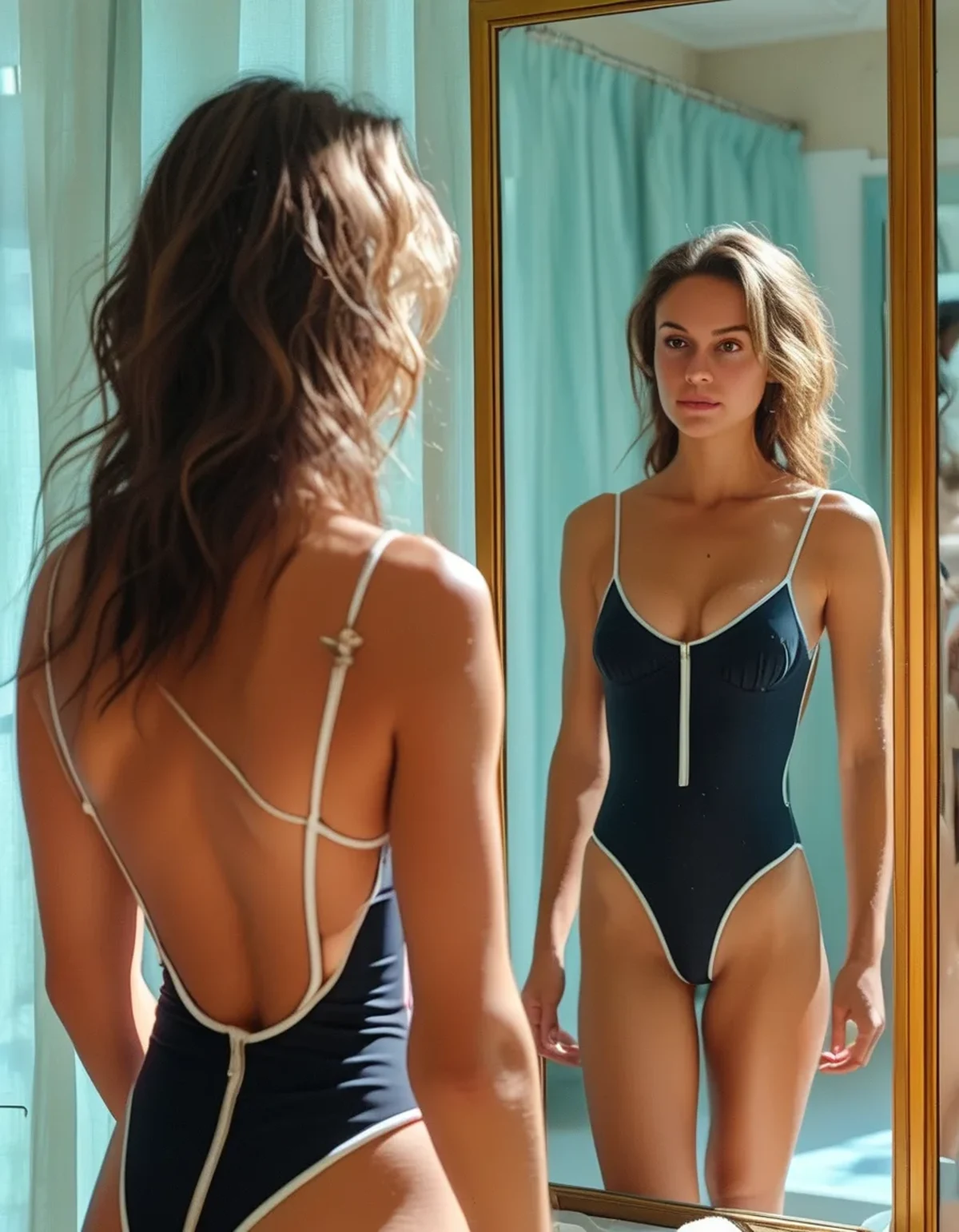
Because a one-piece is essentially a single continuous panel from shoulder to crotch, sized to a standard torso length. If your actual torso is longer than that standard, the suit is, functionally, too short for you — and a too-short garment rides up under any movement, no way around it.
The fix isn’t a bigger size (that adds width, not length) — it’s a suit specifically cut with more torso length, sometimes labeled ‘tall’ or ‘long torso fit.‘
Why does the bikini top feel strained even when the size is right?
The band and cup can be exactly your size and still feel like they’re working hard, because a long torso puts more vertical distance between where the band sits and where the straps attach at the shoulder — that distance pulls the whole top upward and tight under normal movement.
Adjustable, longer straps solve this directly. A halter or crossback style, which redistributes pull across a wider area of the shoulder, also handles a long torso better than a standard strap.
What Nobody Tells You About ‘Regular’ vs ‘Tall’ Swim Sizing
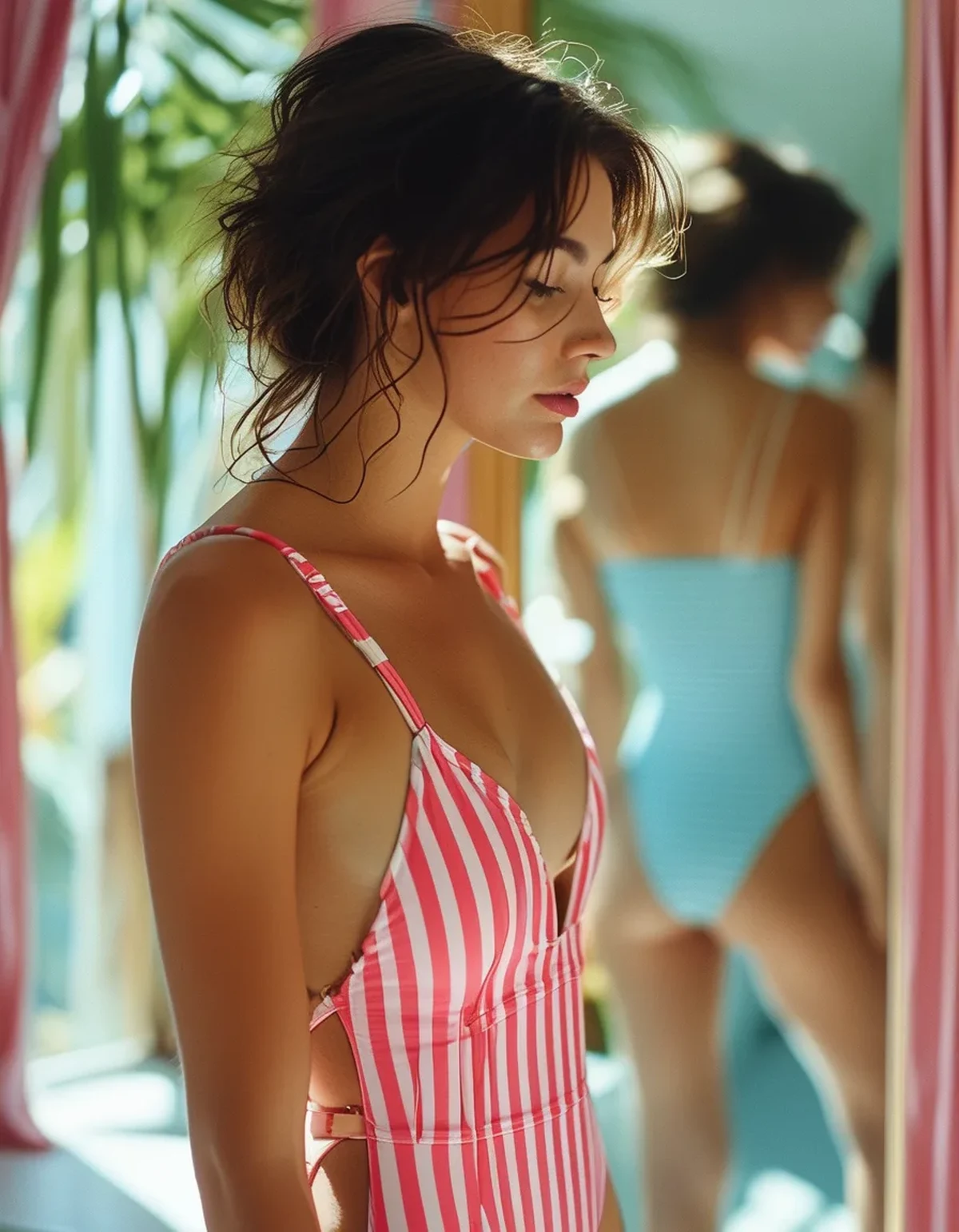
Most swimwear brands that offer a ‘tall’ or ‘long torso’ option add 1-2 extra inches specifically in the torso length, not all-over. That’s a meaningfully different adjustment than sizing up, which adds width and can leave the fit loose everywhere except where you actually needed more room.
If a brand doesn’t offer a long-torso option, a two-piece with a high-waisted bottom functionally solves the same problem — it closes the gap a long torso would otherwise create between top and bottom.
Is a two-piece easier to fit than a one-piece for a long torso?
Generally yes, because a two-piece lets you solve top and bottom independently instead of needing a single garment to be right at every point along your torso. A high-waisted bottom plus a top with adjustable, longer straps covers most of what a dedicated long-torso one-piece would cost significantly more to buy.
FAQ: Long Torso Swimsuit Questions, Answered
How do you know if you actually have a long torso?
A rough check: sit down on a flat surface. If your torso length (seat to top of shoulder) measures longer than your leg length (seat to floor), you’re likely long-torsoed relative to standard sizing.
Do long-torso swimsuits cost more?
Often slightly, since they’re a smaller specialty cut — but the fit difference (no constant tugging) usually makes it worth the premium for a suit you’ll wear repeatedly.
Does a long torso affect rash guard or wetsuit fit too?
Yes, the same way — look for ‘tall’ sizing in technical swimwear too, since the torso-length mismatch shows up identically there.
TL;DR:
- One-piece riding up = the suit’s torso length is shorter than yours, not a size issue
- Bikini top strain comes from extra vertical distance a long torso creates — longer straps or a halter fix it
- ‘Tall’ or ‘long torso’ swim lines add length specifically, not overall width
- Two-piece with a high-waisted bottom is often the easier fix than hunting for a long-torso one-piece
Stop sizing up to fix the ride-up — shop torso length specifically and the tugging stops.
Keep Reading
This article is for general informational and styling purposes only. Fit, sizing, and product availability may vary.
